
27th NELTA International Conference 2023
Plenary Speakers
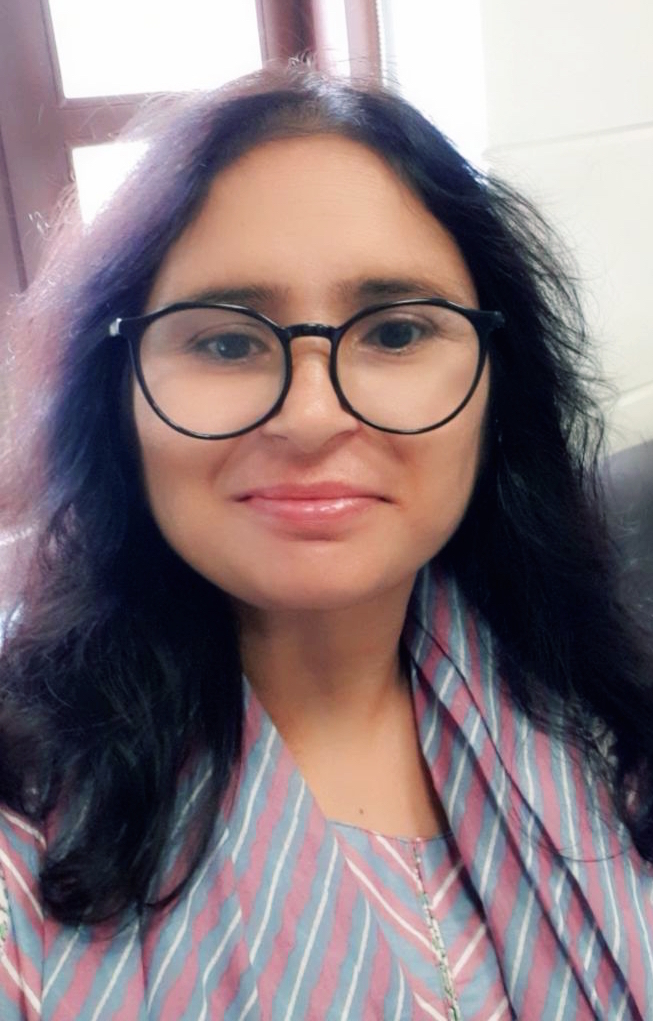
Prof. Dr. Shalini Yadav
Compucom Institute of Information Technology and Management, Sitapura, Jaipur, India
An avid writer and professor, Dr Shalini Yadav holds a PhD in Post-colonial Literature and M. Phil in English Language Teaching (ELT) from the University of Rajasthan, India and a course in Advanced Creative Writing from the University of Oxford, UK. During her tenure as an educator in India, Libya and Saudi Arabia, she has participated and presented papers at conferences and seminars, chaired sessions and delivered lectures. She keeps reading her poems and short stories at various national and international poetry carnivals. She has meticulously written and also reviewed a large number of scholarly research articles for various National and International refereed journals and edited volumes. She is PRO at iSPELL India and member of various literary societies. The editor of Open Page in Writers International Edition, she is also an efficacious member of the editorial boards of various qualitative journals of various countries. Her major works includes Reconnoitering Postcolonial Literature, Emerging Psyche of Women: A Feminist Perspective, On the Wings of Life: Women Writing Womanhood, Postcolonial Transition and Cultural Dialectics, and Communication Techniques. Besides, her poetry books includes Across the Seas, Floating Haiku, Kinship With You: A Collection of Poems, Till the End of Her Subsistence: An Anthology of Poems, and one in Hindi language entitled Kshitiz Ke Us Paar. Many of her short stories and poems are published in numerous peer-reviewed journals and anthologies.
Gendered Discourse: Prospective and Possibilities in Interactional Sociolinguistics
Abstract:
Language, as a medium of expression in the societies, mirrors the variance and power of gender as femininity and masculinity are structured and well thought-out in a differing binary, which plays a fundamental role in the sociolinguistics studies. This paper intends to investigate difference among women and men looking at their conversations in background of people’s viewpoints and societal establishment of gender. It claims how female speakers have specific words and phrases to use in diverse social circumstances that male speakers usually don’t incline to use because of public unacceptability. The male speakers too have many uncommon expressions, which female speakers understand well but never utter overtly. Therefore “language‟ and “gender‟ are taken into an account with “differences‟ between female and male speakers concerning distribution of “power‟ and “dominance‟ for the interpretations of gendered language use in face-to-face interactions. The paper makes an attempt to identify the gendered dominance and difference as displayed in digital era as it prevails ubiquitously, suppressing women’s voices and overlooking their views.
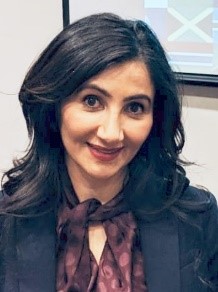
Dr. Nabila Massoumi
Regional English Language Officer (RELO), U.S. Department of State
Dr. Nabila Massoumi joined the Office of English Language Programs as a Regional English Language Officer (RELO) in January, 2019 and was based in Washington, D.C. for two and a half years. She currently manages the RELO portfolio in Nepal, Bangladesh, Sri Lanka and the Maldives. Prior to joining the State Department, she was Coordinator of English Learner Services at San Mateo County Office of Education in California, where she worked to support over 40,000 students in twenty-three school districts. Nabila has advised regional Boards of Education in creating bilingual programs and improving educational programs for English learners and their families.
She served as an English Language Fellow in Turkey, teaching at the English Department at Trakya University, Edirne. As English Language Fellow in Morocco, she trained teachers at the Teacher Training Center in Tangier. She worked as a classroom teacher and instructional leader in Oakland, Berkeley, and Fremont Unified school districts in California.
Dr. Nabila has taught courses on Educational Leadership and Immigration Studies at Cal State East Bay and University of San Francisco. Her doctoral research at the University of San Francisco was an analysis of the educational experiences of refugee students in Oakland, California. Nabila was born in Kabul, Afghanistan and grew up in California. She speaks Farsi/Dari, Spanish, and Urdu. She is passionate about equity in, and access to, education.
Reimagining Language Pedagogy
Abstract:
Reimagining language pedagogy, the theme of this conference, is an invitation to contemplate research and practice from other fields and ask what if? What if the inquiry process and Design Thinking were incorporated into how we plan and deliver instruction? What if we put the human at the center of design and co-create educational systems, settings and experiences that are built on trust, foster agency, and optimize learning? In this plenary, I will review the Design Thinking process, and share my experience with Human Centered Design while working with migrant students in California. This is an interactive session and participants will be encouraged to think outside the box, share thoughts, create, and laugh.
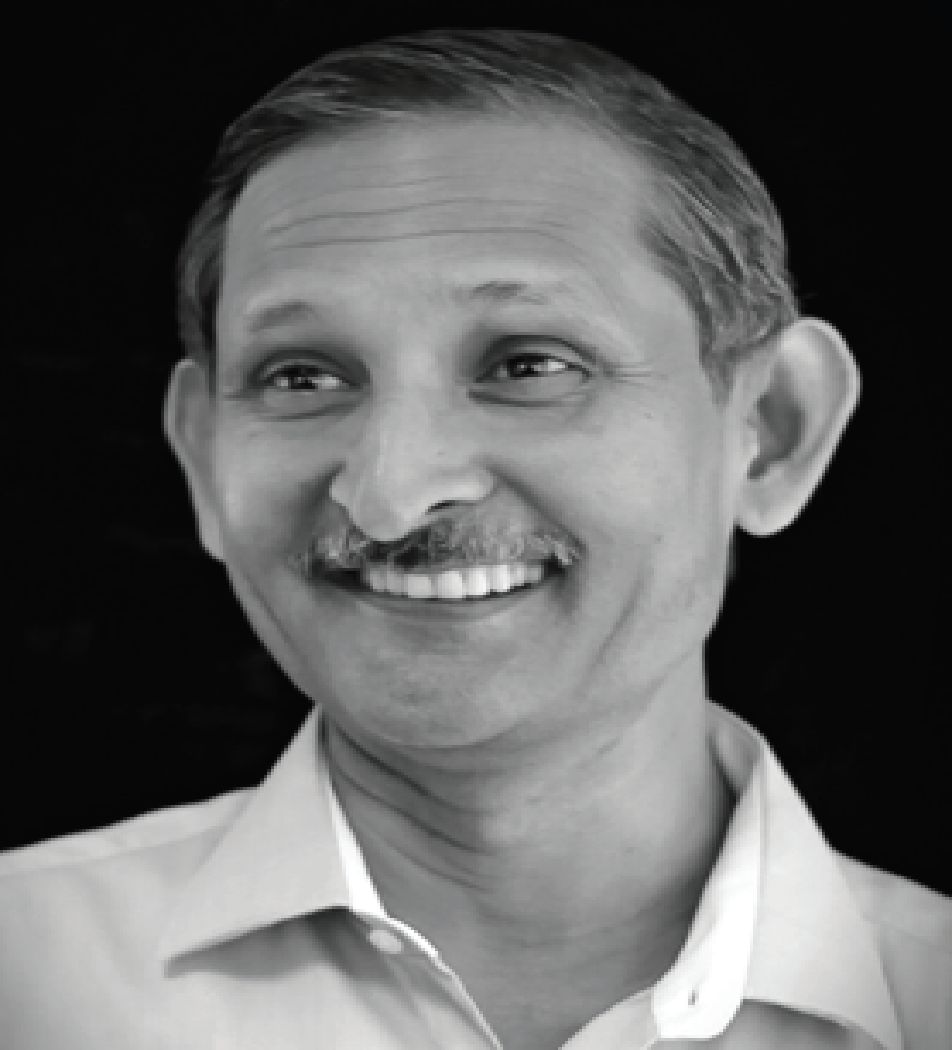
Dr. Vijay Singh Thakur
Dhofar University, Salalah, Oman
Dr. Vijay Singh Thakur has taught English Language, Linguistics, and Literature courses for over 32 years in different educational institutions in India and Oman and retired as Associate Professor from Dhofar University, Salalah, Oman on 31 August 2022. During his fourteen years of service at Dhofar University, he served as Assistant Dean, (and Acting Dean in the absence of the Dean), of the College of Arts and Applied Sciences, Head of English Language and Literature Department and Acting Head of Social Science Department.
He holds a doctorate degree in Applied Sociolinguistics. His main publications include 2 books, 2 jointly edited books and 38 research papers; and he has also made 22 presentations in international conferences; in the fields of Applied Sociolinguistics, Discourse Stylistics, Cross-Cultural Pragmatics, and TESOL Pedagogy. His other academic contributions include one completed and one ongoing Ph.D. thesis supervision in an Indian university and evaluation of 40 Ph.D. & 10 Master’s theses from the universities in South Africa, India, Qatar and Oman. He has been also serving for several years in the capacity of Associate Editor and Editor on the editorial boards of 4 international journals indexed by SCOPUS and other databases such as ERIC and EBSCO.
Teaching Grammar in Context-driven, Integrated and Interactive Framework: Pedagogical Perspectives
Abstract:
Students’ associations with traditional teaching of grammar such as converting present tense into past tense, direct speech into indirect speech, passive voice into active voice, etc. are generally dry, dull, boring, unpleasant and limited. Furthermore, the format of most grammar exercises in most of the grammar books, grammar classrooms, and grammar exams is: “Look at the following items. The first item is done for you. Do ‘likewise’ with the other items”. This sort of exercise focusses the student’s attention on the formal properties of a structure and probably accesses only a student’s manipulative ability but does not access ‘any type of knowledge of language’ at all.
From a functional or communicative point of view, the information in our head is a living resource that allows us to communicate and be understood. Supposedly, we teach grammar to facilitate communication in the target language. Therefore, the knowledge of grammar should not become merely a dry record of facts and structural rules. In the backdrop of the notion of ‘natural developmental route to learning’, the premise that ‘communication derives essentially from interaction’, the primacy of ‘teaching grammar in context’ and the ‘benefits of integrated-interactive pedagogy’ in language classrooms, this presentation aims at demonstrating how the teaching of grammar can be taken out from its traditional structural view of teaching and broadened to context-driven interactive framework of teaching and learning.
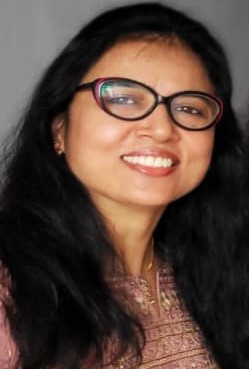
Manisha Dak
Teacher Educator, Materials Writer and Independent Academic Consultant, India
Manisha Dak is a teacher educator, materials writer and independent academic consultant with 21 years' experience in the field of ELT. She has reached more than 70000 teachers, learners and other professionals across India, Nepal and South East Asian countries through large scale teacher development initiatives, direct trainings, teaching-learning materials, and radio programmes. On the academic front, Manisha holds an MA, M.Ed., MA-TESOL, DELTA, PGCTE and TALL from universities and organisations of repute in India, UK and the USA. She currently works the British Council, IDP, MACMILLAN and S Chand Publishers in India. Above all, Manisha is determined to working towards equity in education and helping professionals realise their fullest.
Promoting Inclusion in ELT: An Innovative Approach to Materials and Classroom Practice
Abstract:
Have you ever wondered if your textbook use and classroom practices achieve their full potential? The purpose of education is to build a generation that can co-exist and collaborate to create a better society. To support this aim, we teachers must cultivate a socially just, cognitively stimulating, culturally varied, linguistically rich and inclusive classroom environment for our students. However, ELT materials, classroom practices and even language education policies, if not thought through carefully, can be divisive and provoke exclusion. This impacts learners’ overall performance and achievement, not to say their wellbeing, defeating the overall aim of education. In this talk, I describe my theories of practice developed over many years as a teacher, teacher educator and materials developer and explore the importance of an inclusive orientation to materials and classroom practice. I will also present some innovative practical ideas to help teachers create an inclusive learning environment that enables learners to thrive.
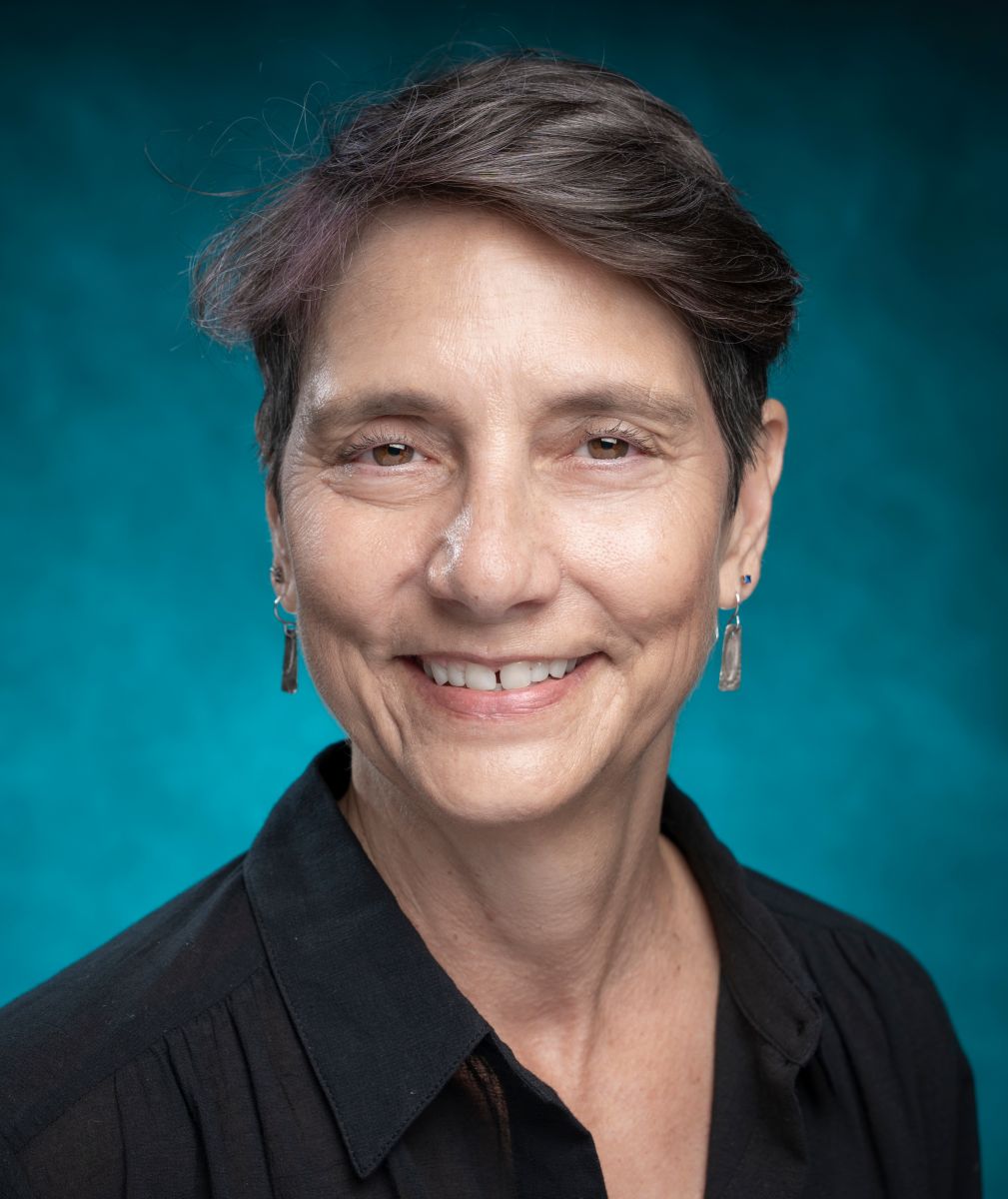
Dr. Eleni Pappamihiel is a professor at the University of North Carolina Wilmington, She received her Masters of Education degree from the University of North Carolina Charlotte and her Ph.D from the University of Texas Austin. Her doctorate degree is in Curriculum and Instruction with specialties in both Teaching English as a Second Language and Bilingual Education. Her doctoral work focused on a detailed examination of second language anxiety. Since that time, she has continued to conduct research on teacher beliefs and affective factors impacting language learning. In addition to this work, she specializes in teacher preparation and has numerous publications that focus on helping preservice and inservice teachers improve academic outcomes for English language learners in US schools. Dr. Pappamihiel has spent over 20 years in teacher preparation and professional development and has published numerous articles and book chapters that focus on helping English learners maximize their academic and social achievement in the classroom. She also has expertise in assessment and evaluation, consulting on the development of both the Florida ESL teacher certification assessment and the national Praxis II ESOL exam commonly used in the US to certify new ESL teachers. In addition to this work, she has acted as an evaluator for teacher preparation programs using the national TESOL teacher preparation standards. Most recently, her work has focused on the identification of English learners with special needs and helping teachers integrate trauma-informed practices into their instruction. She is currently collaborating with colleagues to write an article focusing on how schools can more effectively differentiate between Post-Traumatic Stress Disorder and Attention Deficit/Hyperactivity Disorder in multilingual learners.
Helping Teachers Integrate Trauma-Informed Practice into Instruction
Abstract:
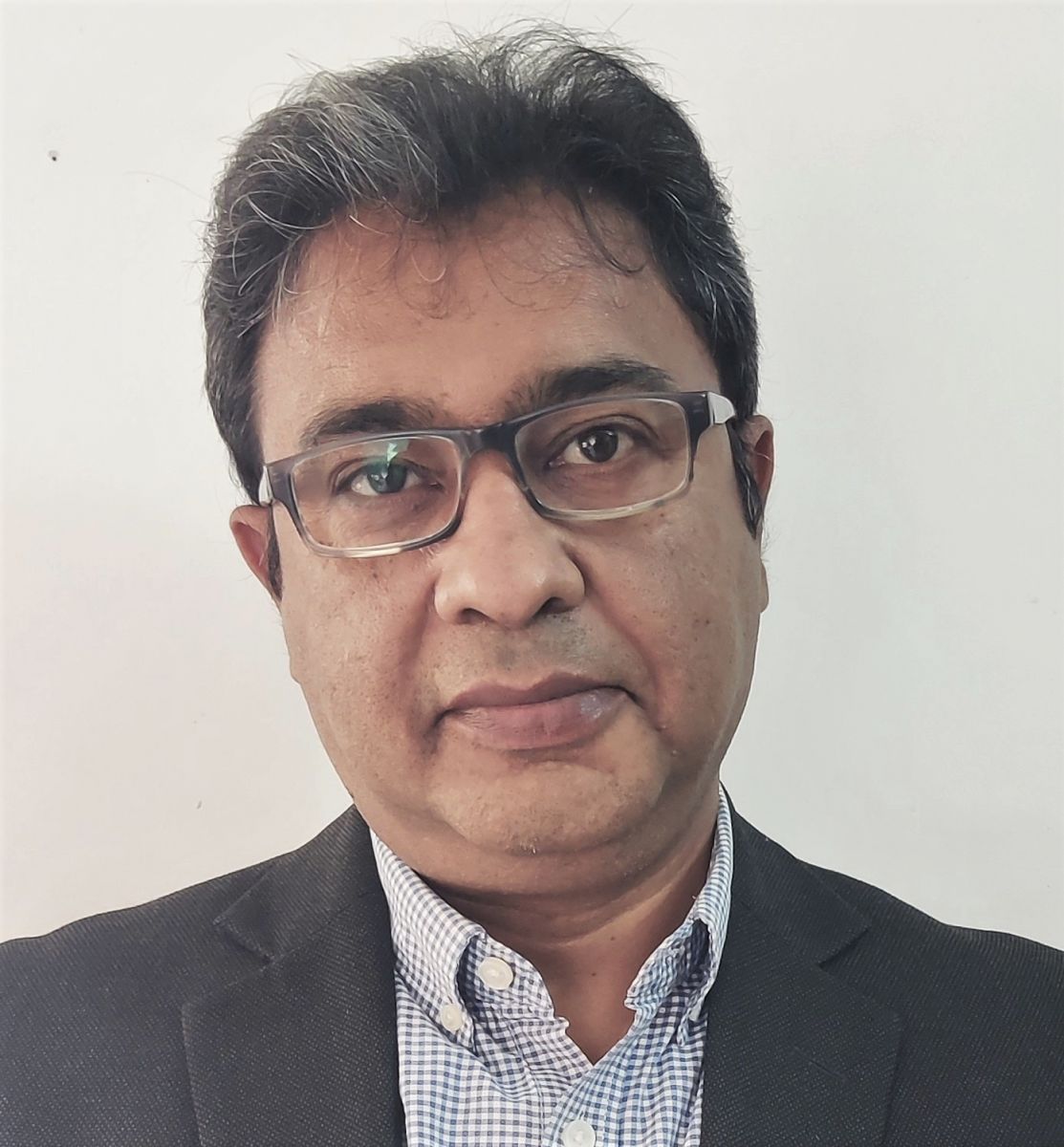
Dr. Shashank Shekhar Sinha
As far as Dr Sinha’s personal academic credentials are concerned, he has taken professional courses with School of Architecture and Planning, Massachusetts Institute of Technology; The University of Queensland; The Abdul Latif Jameel Poverty Action Lab (J-PAL), Massachusetts Institute of Technology; World Bank E-Institute for Development; Harvard University; Worldwide Fund for Nature-India. As far as his research publications are concerned, he has published with top national and international academic publishers in both books and journals.
How to Publish with Routledge?
Conference Details
Location: D.A.V. Sushil Kedia Vishwa Bharati School, Jawalakhel, Lalitpur, Nepal
From : 17th February, 2023
7:00 AM
To : 19th February, 2023
5:20 PM
Other details
Latest Conference
|
31st NELTA International Conference 2027
19th February, 2027 21st February, 2027 |
|
30th NELTA International Conference 2026
30th January, 2026 31st January, 2026 |
|
29th NELTA International Conference 2025
27th February, 2025 1st March, 2025 |
|
28th NELTA International Conference 2024
17th February, 2024 19th February, 2024 |
|
27th NELTA International Conference 2023
17th February, 2023 19th February, 2023 |
|
NELTA International Virtual Think-in-2022
11th March, 2022 13th March, 2022 |
|
NELTA INTERNATIONAL VIRTUAL THINK-IN-2020
10th September, 2020 10th September, 2020 |
|
NELTA National Conference 2019
2nd March, 2019 3rd March, 2019 |
|
23rd International Conference
15th February, 2018 17th February, 2018 |
|
22nd International Conference
24th February, 2017 26th February, 2017 |