
27th NELTA International Conference 2023
Featured Speakers
Featured Speakers
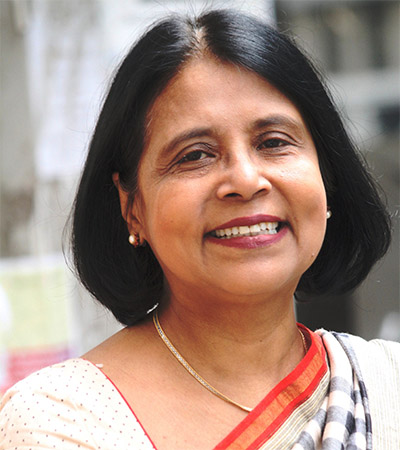
Prof. Dr. Rubina Khan
President of BELTA, Bangladesh
Dr. Rubina Khan is a Professor at the Department of English, University of Dhaka. She is a Fulbright scholar, teacher educator, and a researcher and has worked on a number of International projects. She has also worked as an educational consultant on assessment and teacher development and has a significant number of publications in professional journals at home and abroad. She is the President of the Bangladesh English Language Teachers Association (BELTA).
Tertiary Level Student and Teacher Voices on Well-being During Covid-19
Abstract:
This presentation shares the findings of a study which was carried out to investigate the effect of online classes on the wellbeing of students during COVID-19 at private tertiary level institutions in Bangladesh. A qualitative approach was followed and data were collected from 25 teachers and 19 students via 10 FGDs. Findings show that a range of factors affect online teaching and learning and it was noted that the virtual mode of imparting education seems to be beset with a number of impediments. Among others contextual, material, physical, social and psychological challenges seemed to be daunting issues of concern. As a result both teachers and students encountered experiences and uncertainties which triggered stress and anxiety. Teachers were anxiety ridden, they were subject to frequent pay cuts and were under the looming threat of losing their jobs due to poor student enrollment in private universities during the crisis period. Teachers and students both suffered from physical discomforts. In addition, students had to face additional barriers like technological constraints and fear of online assessment which were new areas of concern. Suggestions are forwarded for addressing the wellbeing of both teachers and learners in online teaching and learning.
Keywords: wellbeing, online teaching learning, higher education, COVID-19, private universities, Bangladesh

Ramesh Nair
President, MELTA, Malaysia
Ramesh Nair trained as an English language teacher, and taught English in both rural and urban secondary schools before joining the Academy of Language Studies, Universiti Teknologi MARA. He teaches undergraduate and postgraduate courses at the academy, and is also senior fellow at the university’s Accounting Research Institute, a Higher Institution Centre of Excellence. Over the years, Ramesh has been involved in several key initiatives at schools which have been informed by the
Ministry of Education’s reform agenda for English language education. Ramesh served three terms as a member of the English Language Standards and Quality Council, Ministry of Education Malaysia. Currently, he is president of the Malaysian English Language Teaching Association, and vice president of AsiaTEFL.
ELT Associations as Agents of Teacher Empowerment
Abstract:
English Language Teaching (ELT) associations throughout Asia play an important role in supporting national aspirations for advancing English language education. In addition to representing members at engagements with policy makers, ELT associations also work with partner organisations to provide opportunities for the continuing professional development of classroom practitioners. In this presentation, I share the experiences of the Malaysian English Language Teaching Association (MELTA) in supporting the professional development of its members. In particular, I draw attention to the role of the association in foregrounding its members as ELT experts who possess the skills to address challenges and contribute practical ideas for effective teaching and learning. I discuss the importance of this in relation to contesting narratives in the public sphere which portray Malaysian English language teachers as inept. By narrowing my focus to experiences during the pandemic and the forced closure of schools, I also offer examples of how MELTA nurtured collaboration as a means for its members to embrace new approaches, and new ways of delivering lessons, and to ensure that disruptions to teaching and learning were minimised.
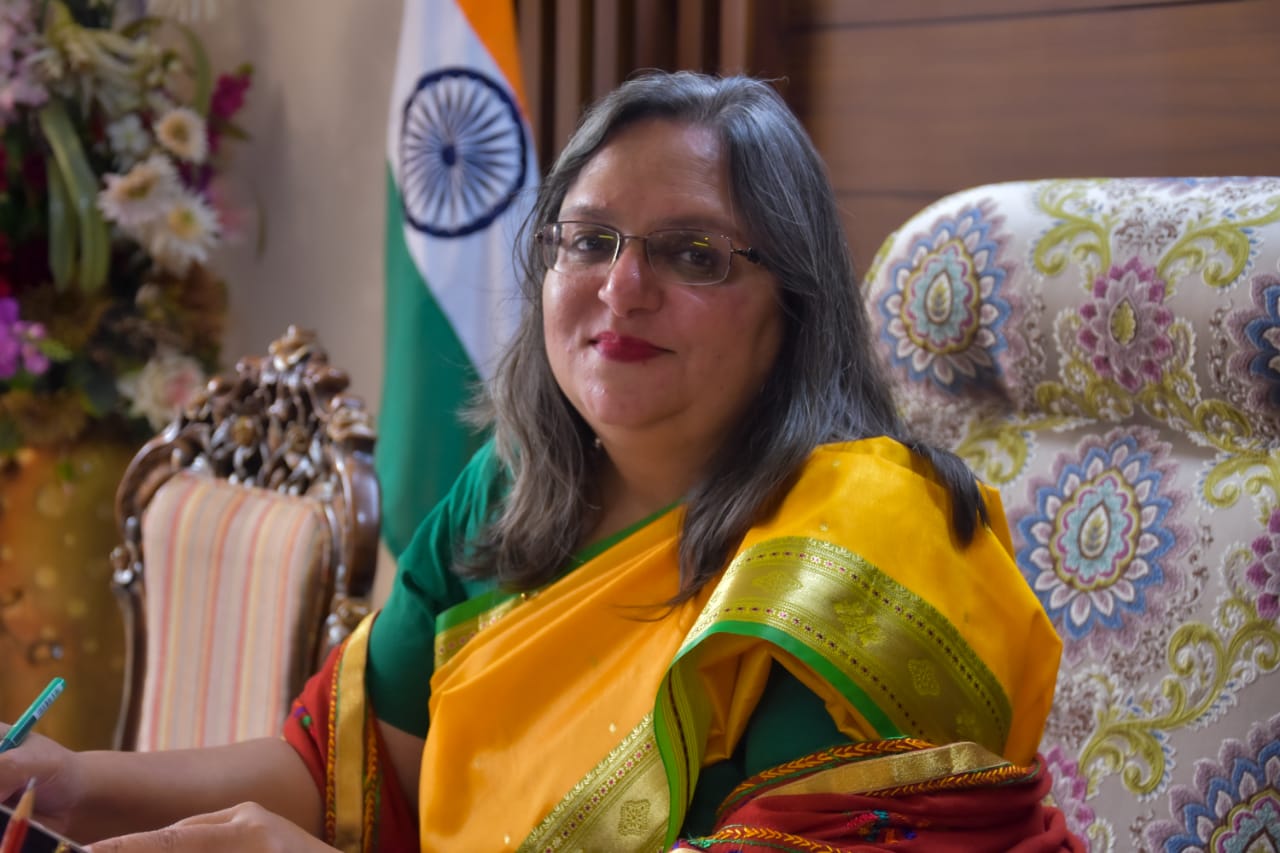
Dr. Ramnita Saini Sharda
Hamsharaj Mahabidhyalaya, India
Dr. Ramnita Saini Sharda presently employed as Associate Prof. in Department of English, at HMV Jalandhar, has also served as Principal, Dev Samaj College for Women Ferozepur from Nov 2020 to Nov 2021, and as Dean Innovation at Hans Raj MahilaMahaVidyalaya till November 2020.
A student of Panjab University Chandigarh, she holds a Masters in English as well as a Masters in Mass Communication, M.Phil in English and Ph.D in English. Her area of specialization is Gender Studies but she is passionately working on Climate Change and Language learning.
A poet, a translator, and an English teacher, she has seven books, and many research papers to her credit. She has organized many National and International conferences and also participated in many International Conferences as a plenary speaker. She is instrumental in signing MOUs with NELTA and Indo Bali Sangam, as well as with many International bodies.
She is on Punjab Government advisory body as expert in Gender and climate change for Indo- Germany project on Climate Change. She is also a Master trainer for buddy program, a Punjab Government initiative for drug abuse prevention. She is President of All Ladies League of Jalandhar Chapter and also Regional Joint Secretary for EFSLE, an international body dedicated to the issues related to climate change. She is Head Research for North and East India for Dr. Kalam International Foundation.
She is actively engaged in Cinema Punjab chapter of WICCI. She has been an invited speaker at Himalayan Conference organised at Yale University , New Haven, Connecticut, USA, Lead speaker at Sharjah International Conference, Plenary Speaker at TESOL NELTA conferences at Nepal.
Abstract:
The COVID‐19 pandemic set off one of the biggest crises for human life, taking into its fold the entire world. The petrifying effects of this pandemic caused significant long-lasting impact on every aspect of human life across the world. The psychological impact of COVID-19 has been deeper than the actual physical impact. COVID-19 is not merely a health issue, it has come to be seen as a premonition of many more disasters that are on the way in the wake of climate crisis. Now, due to protracted pandemic time and expected viral mutations the routine chores, social meetings, and human interactions have been massively disturbed, resulting in increased stress levels. Teaching-learning process is no exception. The post-COVID classroom is definitely a different one. The psychological impact has been immense. Educational scenario is likely to take a turn due to changed attitude of learners, abundant availability of online learning material, lack of infrastructure of the existing educational institutions and unpreparedness of the teachers with regards to the required pedagogical techniques. With International educational institutions offering a large number of online courses the local institutions are facing severe competition. The presentation focuses on the psychological impact on the minds of young learners and how the local institutions can gear up to meet the new requirements.
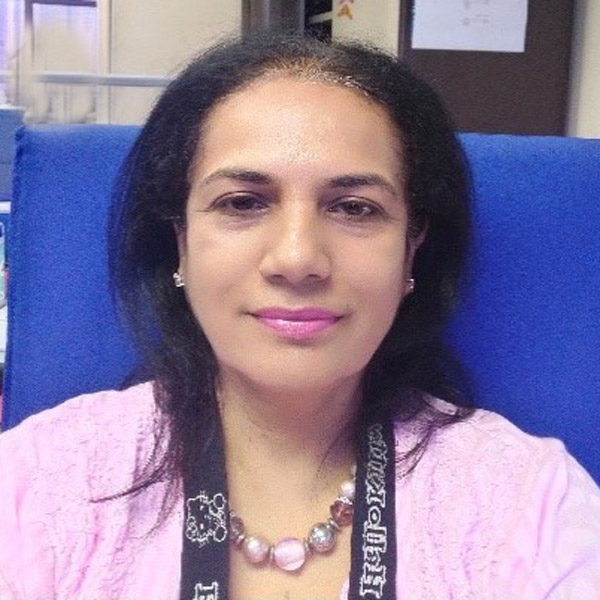
Dr. Premalatha Nair
Vice President, MELTA, Malaysia
Premalatha Nair is a lecturer in the Institute of Teacher Education, International Languages Campus in Kuala Lumpur, Malaysia. She received her PhD in English Language and Literature from University Putra Malaysia, Malaysia. Prior to joining the teacher training institute, she worked as a teacher in both the primary and secondary schools in Malaysia with 12 years of experience in teaching English language and Literature. She has contributed to writing modules and curriculum for the Ministry of Education Malaysia. She is also actively involved in conducting research in the areas of assessment and literature. She is also the Vice President 2 for MELTA (Malaysian English Language Teaching Association).
Nurturing the Mind through Imagination in Poetry Writing
Abstract:
The effect of the pandemic has led to a major shift in the education system which opened doors to various perspectives on how education should be perceived and implemented. Teachers’ and learners’ commitments have changed over the years and now they are struggling to find what is considered to be the ‘right’ way to teach and learn. When it comes to second language learners, literature is incorporated into the curriculum with the aim to provide fun and meaningful learning through the genres. Since critical and creative thinking skills are highly emphasized in the 21st century education, literature is said to be able to tap into learners’ ability to express themselves besides enabling them to learn the language. This presentation aims to investigate how a group of teacher trainees express themselves through poetry. Poetry enables learners to regulate their feelings in writing which will tap into self-awareness. This is much needed among learners who quite often struggle to recognize feelings and emotions especially by second language learners. This study employs the blackout techniques which provide an avenue for learners to develop creative and critical thinking skills and to prompt different shades of their emotions and feelings through words in poetry. Some examples of students’ works are shared, and the relevance of the activity is discussed in relation to the theme of the conference.
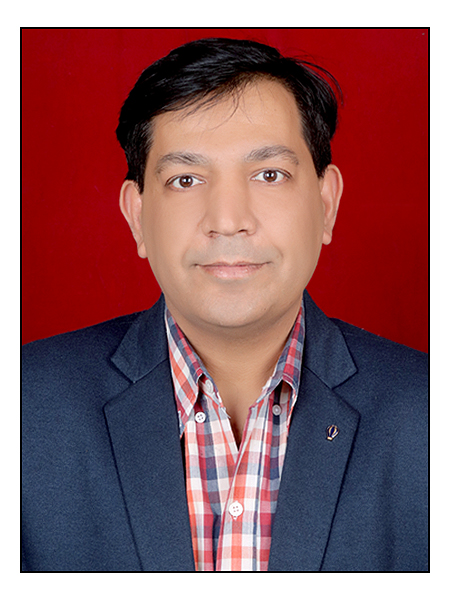
Prof. Dr. Mukesh Yadav
University of Engineering & Management, Jaipur, India
Dr. Mukesh Yadav is currently working as Professor of English in University of Engineering and Management, Jaipur. He has an extensive expertise in Diasporic Writing and Cross-Cultural education. He holds a PhD in South Asian Diasporic Literature from University of Rajasthan. He has authored nine books to his credit. The areas of his research interests are mainly Diasporic Literature, Post-colonial Literature, Dalit Literature, Feminist writings, Issues faced by transgender and English Language Teaching. He has meticulously written and also reviewed a big number of scholarly research articles for various National and International refereed journals and anthologies. He is an efficacious member of the editorial boards of various qualitative International journals which are published from Canada, South Africa, USA, and Australia. He has more than twenty years of progressively responsible teaching experience at the University level in India, Libya and Saudi Arabia.
E-learning: Euphoria or Illusion in 21st Century
Abstract:
This paper talks about the viability of E-learning as a euphoria or illusion in 21st century. On one hand, the current day techno savvy youth finds e-learning as a fascinating and creating task because of their interest with Computer technology though then again technology is a kind of disruption in the creativity of the students. The paper endeavors to approve this assumption with significant examples. This paper subsequently addresses the advantages of e-learning which credits in the learning content and the results in terms of qualities and limitations. The paper focuses on the pace and possibility of the technological advancements which are assuming a critical part in everyday life in the general public. The paper proposes to inspect the feasibility of the utilization of E-learning so that we can boost the positive effects and limit the negative ones.
Keywords: E-learning, Technological advancements, Innovations, Limitations
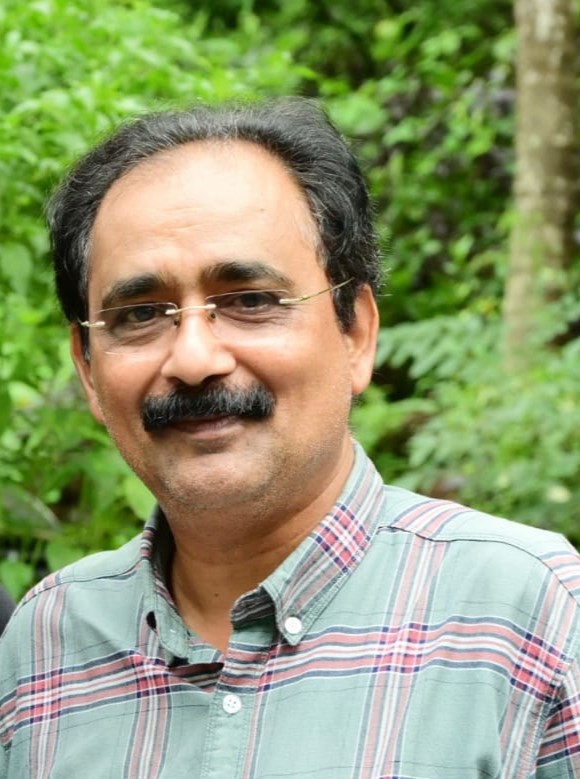
Asst. Prof. Dr. Roy P Veettil
Sohar University, Oman
Dr. Roy P Veettil is an Assistant Professor of Applied Linguistics at the Faculty of Language Studies, Sohar University, Oman. His academic credential include Ph. D in applied linguistics, MA in English literature, B Ed in English, PGCTE from English and Foreign Languages University (EFLU), CELTA from Cambridge University, British Council IELTS train the trainer certificate and certificate in stylistics from Huddersfield University. He has presented papers and run workshops at various national and international ELT conferences and has published papers in journals indexed in SCOPUS and Web of Science. He has also authored a book entitled Changing Paradigms in English Language Teaching and has edited two books entitled Blossoms: An anthology of Mini Sagas from the Omani Classrooms and Artificial intelligence and Voice Assistants.
Intercultural Communication and Pragmatic Competence
Abstract:
One of the manifold effects of the global diffusion of English is that it has been nativized in several ways. The very nomenclatures “Englishes’ and global English or varieties of English are reflective of this shift from one ‘standard’ English to many standard Englishes. In addition to controversies regarding the ownership of English, this shift has also given birth to intelligibility issues in intercultural communications.
The inadequacy of English for universal pragmatics necessitates innovative ways of using the language in order to enable it to carry the cultural weight of the new land to which it has been transplanted. Subsequently, these uses, though in English, sound alien and unintelligible to English users from other cultures and result in abortive communication. Thus, there is a need to incorporate pragmatic and sociolinguistic competence in the English language teaching syllabus in higher education.
This presentation highlights the importance of making learners aware of the varying pragmatics among cultures and suggests ways to make them pragmatically competent.

David D. Perrodin
English Language Specialist, Mahidol University, Bangkok, Thailand
Mr. David D. Perrodin is an English Language Specialist with the Institute for Population and Social Research, Mahidol University in Bangkok, Thailand. He is also the Journal Manager and Senior Copy Editor for the Q2 Scopus-indexed Journal of Population and Social Studies with the same Institute. In addition to being the recipient of several prestigious international teaching awards for his contributions to global education, he has acquired exemplary teaching qualifications and certifications along with a Bachelor's in Secondary Education with honors and a Master of Arts in Teaching with honors, both with concentrations in English. He is currently a doctoral candidate pursuing a PhD in Applied Linguistics for English Language Teaching at King Mongkut’s University of Technology Thonburi, Thailand.
What Are the Odds of YOU Landing a Job as an Extralocal English Teacher in the Highly Competitive Global ELT Field?
Abstract:
It is fascinating to observe how English has become the most widely used language for international business, commerce, medicine, science, and many other vital areas in a relatively short time. Due to this overwhelming global demand, there is an ever-increasing need for qualified, experienced extralocal (those who are not the ethnicity nor a citizen of the country in which they reside or work) English teachers to help develop the workforce in nations where English is considered a foreign or second language. Across the globe, countless English teaching positions are continually available. Yet, most qualified, experienced extralocal English teachers have difficulty finding employment, particularly in nations where characteristics and social traits (e.g., ethnic group, skin color, national origin, sex, religion, or age) rather than qualifications, experience, and English language proficiency, are the deciding factors when hiring English teachers. The truth is that hundreds of qualified extralocal English teachers often apply for the same teaching job, so you must stand out from the other applicants. Thus, this presentation will look at how you, as an extralocal English teacher, can increase your career opportunities in a highly competitive global English language teaching market.
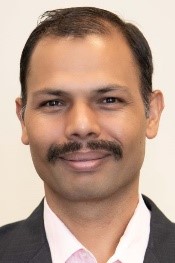
Mr. Bishwa Raj Gautam
Regional English Language Program Specialist, the Embassy of the United States of America in Nepal
Mr. Bishwa Raj Gautam completed The Science of Well-being from University of Yale (online) in 2020 and TESOL Core Certificate Program from TESOL International Association, over 10 online courses on designing and teaching English. Mr. Gautam studied educational psychology as part of his university degrees. Mr. Gautam completed his M.Phil in English Literature and M.Ed and MLISc from Tribhuvan university. He has designed and facilitated over 30 teacher training programs in South Asia. Mr. Gautam presented plenaries at NELTA and papers at international conferences in Bangladesh, India, Sri Lanka and USA. Mr. Gautam has published books, book-chapters and articles including in the prestigious English Teaching Forum https://americanenglish.state.gov/forum. Mr. Gautam manages English Language (EL) programs—English Access Microscholarship Program, EL Fellow, EL Specialist, teacher training, grants, online teacher training events as the Regional English Language Program Specialist at the Embassy of the United States of America in Nepal. Mr. Gautam is a Pranayam and Yog practitioner.
Designing Plans and Pedagogy for Teachers’ and Students’ Well-being: Easy Steps
Abstract:
Well-being for healthy physical, mental, emotional and social lives aiming for better productivity has been the main search and talk of the town. Well-being of a person is the ultimate wealth (Beheshti, N. 2021). Especially, physical (physique) and mental agility play vital role in the materialistic, financially target-oriented, and web of electronic social media world that has forcefully been encourching our life. Humans seem to have been practicing shallow love and humility, floods of tasks without deep-work, inhealing of air without real breathing, customs without morality and personalization. The presenter facilitates a session on how to design plans for Self and pedagogy for students well-being especially in educational and training institutions.

Maxim Raimann
Exams Director, British Council Nepal
Maxim Raimann is the Exams Director at the British Council Nepal. In his 18-year career with the British Council, he has worked across four continents as a teacher, teaching and assessment project co-ordinator, academic manager and exams services manager. He headed a large scale IELTS test preparation programme for PDVSA, the national oil company of Venezuela and developed an English language programme for trainee air traffic controllers in Morocco. In the UAE, he was in charge of the professional development programme for three British Council teaching centres and has been involved in the delivery of Cambridge CELTA and DELTA qualifications. He also organised an English language teaching symposium in Bahrain and presented at the conference of HELD (The Heads of English Language Departments) for the Ministry of Education in Saudi Arabia.
Importance of Integrating Assessment, Teaching and Curriculum
Abstract:
Curriculum, assessment, and teaching all need to be aligned to achieve the desired outputs from teaching and learning. If these outputs include both language skills and twenty-first century soft skills, then curriculum, assessment, and teaching must reflect that. Well-designed learning assessment tasks can contribute to this, but those who are grading the students must also have a framework and training to do so.
Conference Details
Location: D.A.V. Sushil Kedia Vishwa Bharati School, Jawalakhel, Lalitpur, Nepal
From : 17th February, 2023
7:00 AM
To : 19th February, 2023
5:20 PM
Other details
Latest Conference
|
31st NELTA International Conference 2027
19th February, 2027 21st February, 2027 |
|
30th NELTA International Conference 2026
30th January, 2026 31st January, 2026 |
|
29th NELTA International Conference 2025
27th February, 2025 1st March, 2025 |
|
28th NELTA International Conference 2024
17th February, 2024 19th February, 2024 |
|
27th NELTA International Conference 2023
17th February, 2023 19th February, 2023 |
|
NELTA International Virtual Think-in-2022
11th March, 2022 13th March, 2022 |
|
NELTA INTERNATIONAL VIRTUAL THINK-IN-2020
10th September, 2020 10th September, 2020 |
|
NELTA National Conference 2019
2nd March, 2019 3rd March, 2019 |
|
23rd International Conference
15th February, 2018 17th February, 2018 |
|
22nd International Conference
24th February, 2017 26th February, 2017 |